Talyant: A Handmade Script Font That Brings Authenticity to Brand Design
I recently opened a blank brand board for a local artisan bakery looking for a visual refresh. The brief called for warmth, craftsmanship, and personality — the kind of identity that feels human and not overly polished. My first instinct was to reach for a script font, and that’s when I remembered Talyant. I had downloaded it months ago but hadn’t had the chance to test it in a real-world branding project. So I dropped it into the logo draft and immediately felt the shift.
What Makes Talyant Stand Out
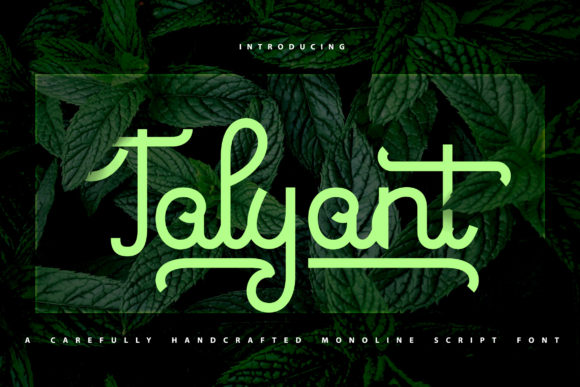
Talyant is a handmade script font with unique characters and an authentic feel. It doesn’t try to be perfect — and that’s its charm. The slight imperfections in the strokes, the variation in pressure and angle, and the organic flow between letters give it a truly hand-drawn quality. It’s not just a script font; it’s a story-telling typeface.
Visually, Talyant leans toward a modern calligraphy style but with a casual, almost whimsical touch. It’s elegant without being stiff, and expressive without veering into the overly decorative. This makes it ideal for brands that want to feel approachable, creative, and genuine — think boutique shops, indie studios, wellness brands, and artisanal food businesses.
Testing Talyant Across Brand Touchpoints
I used Talyant as the primary logo typeface and then extended it across the brand board, including packaging mockups, social media templates, and business cards. Here’s what I found:
- Logo Design: Talyant gave the bakery’s logo a personal, artisanal feel. It worked especially well when paired with a simple icon — a minimalist bread loaf sketch — and a clean sans serif for secondary text.
- Packaging: On a mockup of a pastry box, Talyant looked beautiful on the front panel. It stood out without being overpowering, and the font’s character helped reinforce the brand’s handmade identity.
- Business Cards: When used for the name and title, Talyant added a touch of warmth. I made sure to keep the rest of the layout clean and minimal to balance its expressive nature.
- Social Media Graphics: In Instagram post designs, Talyant was perfect for short headlines and quote-based content. It drew attention and felt very “handmade influencer” without being too trendy.
- Web Headers: As a header font on the bakery’s homepage hero section, Talyant added visual interest and helped set the tone for the brand’s personality.
Where Talyant Shines — and Where It Doesn’t
Talyant is best used as a display font, headline font, or logo font. It works beautifully in short bursts — headlines, brand names, quotes, and accents — but it’s not suited for long-form body copy or small-size text. The delicate strokes and connected letters can become hard to read at smaller sizes, especially on screens.
It’s also not the best fit for formal or corporate branding. If you're working on a law firm rebrand or a financial services identity, Talyant might feel out of place. But for creative studios, lifestyle brands, and small businesses that want to stand out with a human touch, this font is a strong contender.
Pairing Talyant With Other Fonts
One of the best parts of working with Talyant was experimenting with font pairings. Since it’s a script font, I wanted to pair it with something that balanced its organic flow and added structure to the design.
I ended up using a clean, modern sans serif like Montserrat or Open Sans for body text and subheadings. The contrast between the flowing script and the structured sans serif created a nice visual hierarchy and made the brand feel both creative and professional.
If you want to go bolder, Talyant also pairs well with a serif font like Playfair Display for a more editorial or luxury feel. Just be careful not to overdo it — too many decorative elements can clash.
Technical Considerations and Font Features
From a technical standpoint, Talyant comes with a range of features that are useful for designers. It includes alternate characters, ligatures, and swashes, which give you more flexibility when designing logos or custom quotes. These extras help avoid repetition and make the type feel even more handcrafted.
It also supports multiple languages and comes in both desktop and webfont formats, which is great for cross-platform use. Whether you're designing a printed product label or a website header, Talyant adapts well — as long as it's used at an appropriate size.
Final Notes for Designers and Brand Builders
If you’re considering Talyant for a branding project, my advice is to test it in context before finalizing. Use it in a few different mockups — a business card, a packaging label, a homepage header — and see how it holds up in real use. You’ll get a better sense of its strengths and limitations.
Also, always check the font licensing. Talyant is a commercial font, which means it’s suitable for client work and product branding — but only if you have the proper license. Make sure to verify usage rights before applying it to merchandise, templates, or print-on-demand items.
Overall, Talyant is a premium font that brings authenticity and warmth to modern branding. Whether you're designing for a local café, a handmade shop, or a creative studio, it’s a typeface that adds personality without sacrificing professionalism.